By TJ Witham on Apr 8, 2026, 7:15:00 AM
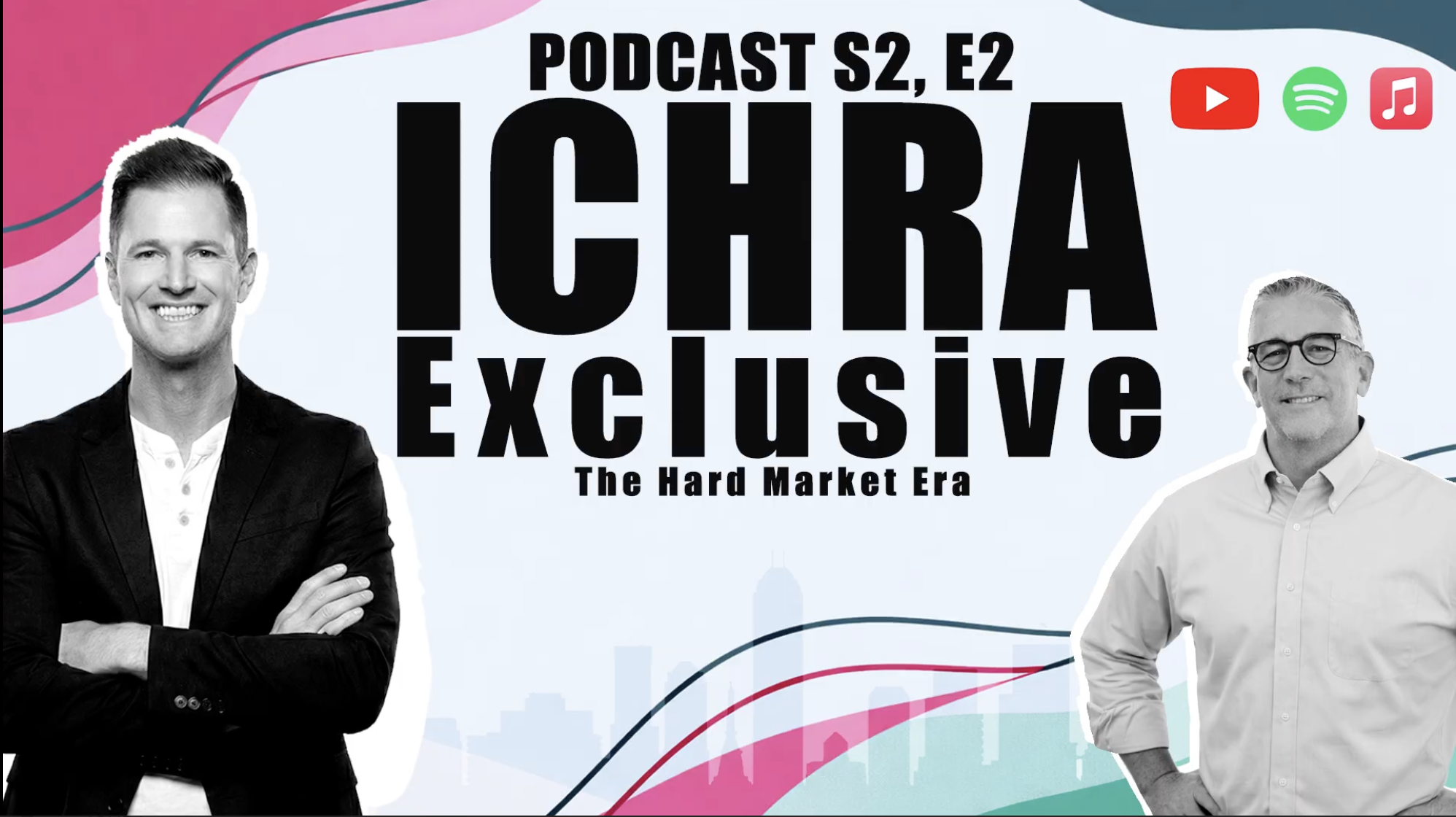
The ICHRA Exclusive Podcast is back with another episode—and we’re diving into a critical, and often overlooked, piece of the health benefits conversation: financial wellness.
In this episode, we’re joined by Molly Fohrer, Chief Operating Officer at Your Money Line, to explore the real-world financial challenges employees are facing—and how those challenges show up in healthcare decisions. From budgeting and debt to navigating unexpected medical costs, Molly shares how Your Money Line is helping individuals take control of their financial lives in a way that drives better outcomes for both employees and employers.
We unpack the types of problems their clients bring to the table and how their team is delivering tangible savings. As ICHRA continues to evolve, this conversation sheds light on how financial guidance can act as a powerful complement to the model, helping employees make more confident and informed choices.
We also discuss what drew Your Money Line to sponsor AIM 2026: Aligning ICHRA Minds, and why being part of this moment in the ICHRA movement matters. To close, Molly shares her perspective on what needs to change over the next five years to help ICHRA reach its full potential.
If you’re thinking beyond plan design, navigating rising costs, or looking to better support employees in the decisions that matter most, this episode is for you.
Your Money Line offers a free course called Cha-Ching — where you can become a certified Workplace Financial Wellness Advocate. Enroll at yourmoneyline.com/cha-ching, and you'll even earn free SHRM or HRCI credits when you complete it.
Watch or listen to the ICHRA Exclusive podcast
Episode transcript
Molly Fohrer: A lot of what people know about personal finance is caught, not taught, so they just pick it up. A lot of it is assumptions people pick up along the way from family or friends, because there's a lot of shame around money and it's not talked about openly. So people carry around these assumptions, and that is one of the things we can help to demystify.
TJ Witham: Today we're joined by Molly Fohrer, COO at a company called Your Money Line. Molly brings a super unique perspective at the intersection of financial wellness and health insurance, helping individuals and employers navigate some of the most complex yet costly decisions they face.
Molly, super excited to have you today. This is obviously the ICHRA Exclusive Podcast, so we talk all things ICHRA. This is really the first solution I'd say is adjacent, where you're not leading an employee benefits brokerage or on the carrier side, but more on the benefits side, working to provide a solution employers can utilize to help their people. Before we dive into what Your Money Line is all about, I wanted to share for the listeners- you and I- that this is a bit of a full-circle moment. We're sitting here in our Indianapolis, Indiana location. Just across the street is the old building we actually used to work together in, when we were both at this very fast-growing health analytics company called Springbuk, doing self-funded health analytics. I remember, Molly, when we hired you, I think I was maybe six months into the job, and we got to work on a lot of the same accounts and had a lot of fun in that growing business back in the day. Now you're doing incredible things, COO for another growing company in Indy in the benefits sphere. So it's a huge treat to have you, and I just want to say thanks for being our guest.
Molly Fohrer: Yeah, I'm so excited. It definitely is a little reunion here in the Union building. So happy to be here.
TJ Witham: Awesome. And for our national listeners, Remodel is based in Indianapolis, so you'll see the Indy skyline in the background, and we're just a few blocks away from where the Colts play football, from our setting today. It's finally spring, so I'm in short sleeves. I'm actually getting ready to go on spring break. And you said your family's going to go to Florida.
Molly Fohrer: Going to Florida.
TJ Witham: So it's spring break time of year. We'll talk benefits here for 20 to 30 minutes, and then we've got some fun stuff coming down the pike. I'd love to start. For those who aren't familiar, you help lead Your Money Line. What is Your Money Line all about?
Molly Fohrer: Yeah. So our mission at Your Money Line is financial confidence and stability for all. We work through employers, so employees access us as a benefit. It's both software they can access, so think budgeting tools, credit monitoring, most recently tax filing, and then courses and content. But they also have access to accredited financial coaches who are trained in an empathetic and shame-free approach to financial coaching. We call them financial guides, and we're really there to help employees meet their financial goals and feel supported by their employers.
TJ Witham: I love that. A couple of things tie nicely into how we think about health benefits at Remodel. You shared it's a blend at Your Money Line, a blend of technology and people, people who lead with empathy. So you're working with the end employees as they navigate this personal wellness aspect of their own financial wellness. Why I was so interested to have you on: I think there's such a connection between what our businesses do. Although we're in different lanes, I'd say we're running alongside one another.
A lot of employers that make this shift from a traditional group health plan to an ICHRA go from defining their benefit plan to saying, hey, we're just going to give pre-tax dollars to employees and give the employees choice to figure out what plan works best for them and their family. One of the things I love about that model is that for many employees, if the group health plan historically had really high costs, those employees' out-of-pocket costs were really high typically as well, because there's a cost share there. When you move to an ICHRA, a lot of times it opens up a lot more financial flexibility, where it's actually a lever the employee can pull that gives them a little more dollars in their personal finances. If it reduces their cost of healthcare, they've got a little more additional dollars where they can be creative and maybe go tackle some other financial goals or debt. So I'd love to hear from your perspective, and I know a lot of times your advisors are also trained on the health insurance side to be able to consult, talk to me about how you all think about that process of working with employees as they work to address their personal finance challenges.
Molly Fohrer: Yeah, there's definitely so much alignment, and we saw that as we prepped for this. So we are there to help employees through a lot of different changes on the employer level. Any kind of major changes to the health plan, like you said- we can help with those terms that tend to be really mystifying in healthcare, like deductible, copay, coinsurance. What does this mean? What does it mean to contribute to an HSA? How should I think about how much to contribute? So we can help with benefits enrollment in that way and make sure people feel set up for success. And much like finances, it can have a stigma around it, and people can feel like, oh, I don't know anything about that, so I'm going to avoid it. We can really provide a safe space for people to learn a little bit more and make sure they're making effective decisions for their family. And then, if they do have excess funds, if they have savings they've achieved, then understanding what is the best use of those dollars.
The empathetic component and the people-centered component come in because we think about, okay, what are your values? What's important to you in your life? Not just, well, you should save this money or pay off this debt first. It's really looking at behavioral finance, understanding what a person's values are, and then, okay, how do we allocate those dollars appropriately in a way that's going to meet their financial goals and align with their values. So the tools in our software can help with that, and our coaches help with those conversations to guide people along that journey.
TJ Witham: I love that. That's amazing. And bigger picture, one of the other reasons I was excited to have you today: we meet all the time, and as ICHRA adoption grows, bigger and bigger employers are open to shifting to this ICHRA framework. Many of the employers that transition, that we work with, were previously self-funded. So they've had years and years of building how they think about wellness, their wellness programs, maybe some of those are even clinical. The move to ICHRA all of a sudden changes how the HR and leadership team think about the additional benefits that were previously built to layer on top of a self-funded plan. The employer moves to an ICHRA, and now they're no longer managing a health plan; it's a defined contribution.
So what I love about ICHRA from an innovation standpoint is that I think we're in the very beginning of employers thinking about how they use their wellness dollars differently, when all of a sudden they don't have the health plan as much to manage the risk for anymore. So maybe they go ICHRA, and all of a sudden some disease management or on-site or near-site clinic type arrangements maybe don't make as much sense anymore. So they've got this budget that opens up, and they're able to think about wellness differently for their employees. So I'd love for you to talk to us about, and I know you can serve any type of employer, but what are some similarities as you think about the typical employer that Your Money Line serves?
Molly Fohrer: Yes. I think the ones that end up being the most successful are employers who have a culture of wellness in general, or total rewards. They hopefully have a robust wellness program, but if not, they're just invested in wellness and well-being for their employees. Also, those typically who are middle income but not necessarily educated in personal finance. Well, most of us aren't educated in personal finance, but think sectors outside of accounting or something like that. A lot of professional services firms, like consultants, marketers, etcetera, where they have a high level of education, but sometimes employers take for granted their level of personal finance education. Also, manufacturing is a really strong fit to provide that resource to those employees and meet them where they are. Healthcare is another one, because healthcare organizations tend to have a lot of diversity in their income levels. They've also got student loans that can benefit from working with financial coaches or our tools to get those student loans paid off, or if they're a nonprofit hospital, work on public service loan forgiveness, which is a program we can help them through. So those are the ones that are the most successful.
I think the problems that drive someone to look at financial wellness would be increases in 401(k) loans, things as extreme as wage garnishments, which a lot of employers are seeing an increase in. So those are lagging indicators of a growing financial wellness problem for employees, and we can really help have a specific impact on those challenges. Others would be those struggling with employee retention, who want to show employees they're invested in their whole being, and the financial aspect is a really key part of that.
TJ Witham: I love that. So you talked about some of the bigger problems being almost like triggers. If you're a wellness or benefits leader and you've got your population struggling to pay off student loans, or there's a wage garnishment issue, those can be triggers of, hey, you should maybe reach out to Your Money Line. Help me understand: because your solution is a combination of technology and people, we talked about that earlier, what are some of the problems that your technology solves that your people maybe don't solve? And then talk to me about where you see the financial consultants, the people, solving problems that the technology can't solve.
Molly Fohrer: That's a great question. We started as primarily a coaching company, so we can speak pretty directly to this. I'll start with the coaches, because they provide a human element that just isn't there yet with technology. So having an empathetic ear, having someone to support you along the way to your goals, but also, for our financial coaches, understanding principles of behavioral finance and what drives people to make change. So that's things like, okay, let's make a little bit of a dent in your emergency fund, and building up your emergency fund to get those early wins to start the motivation, even if we know long term they need to really increase that emergency fund. That's where the real-life changes happen, in the conversations with the financial coaches, because they have the knowledge element and the human element.
On the software side, it's incredible what you can do now as well. So things like analysis of spending, layering AI insights on top of that, credit reporting, which credit is another really mystifying topic, just like health insurance and health plans. It can help you understand how you can remediate and improve your credit score in ways that are not always as intuitive and obvious as paying off debt. When it was just financial coaches, often they were trying to work off spreadsheets with people and give them a budget template. To have the robust technology really gives you the best of both worlds.
TJ Witham: I love that. And there's probably no shortage of amazing examples where you all have impacted real people's lives. At the end of the day too, as an ICHRA administrator, Remodel Health gets asked all the time, okay, I love that you serve my people, but what are the business outcomes you're also driving? I'd love for you to share: what are some of the KPIs or ways in which employers that decide to invest in Your Money Line measure success of a financial wellness program that you all deliver?
Molly Fohrer: Yeah, and I would say this for any financial wellness program and how it should be measured, whether it's a software like us or a combination of programming. The first level is that engagement level. What participation are you seeing? Are you more interested in breadth or depth? If it's breadth, just getting as many people participating as possible, then it's a high rate of participation, a high rate of utilization, people coming back to the software and coming back to the coaches on a recurring basis.
The next level is impact on the employees themselves. Are their financial lives changing? This gets tricky, because we want to be really mindful of the security of that data and of the anonymity of it. However, we have ways to show, on the aggregate, here is how the employee population has improved. For us, we have a proprietary stability index score, but there are other ways you could measure that. We look at, over time, is that score improving? Are people paying off debt? Are they seeing relief? And if you don't have access to a software like that, you can do that by surveying or other methods, to make sure you're understanding the impact on employees.
And finally, on the employer level, for us, we're looking at things like a reduction in those 401(k) loans, or more contributions to 401(k)s. Those are two really big metrics-based ones. We can also look at things like increase in productivity. So PwC has a report that says the average employee loses 4.6 days a year due to financial stress. So applying that to average salary and looking at the reduction of those lost days. Those are some of the ways, but we really want to make sure it's tailored to that employer and what they're looking to do with the financial wellness solution, what they're really trying to impact.
TJ Witham: Yeah. Sorry, last question, you got my business brain going. I nerd out when I think about the future of ICHRA, so I'm going to get excited for a minute. The thing I love about ICHRA that's totally different than a traditional group health plan, that dovetails into the personal finance side of things for people, is that with ICHRA it's like an every-year decision people can make. On the personal finance side, you may be 23, 24, you don't have kids yet, and maybe you don't have any known health conditions. With the ICHRA framework, you can take your employer's allowance, buy down to a bronze-level plan, maximize what you have leftover to then maybe go be aggressive at chunking down debt. Versus maybe you're married several years later and planning for your first kid, and maybe it makes more sense to buy a gold-level benefit, because you've got expected healthcare spend coming down the pike. It really allows someone to be much more dynamic, versus just a one-size-fits-all health plan, which is directly aligned to how we should think about our personal finance.
I've got two young boys, I know you've got young kids. I think about what our kids will hopefully learn in school that I didn't learn in school, around how to think about personal finances. So I love that you all are on the front edge, leading in helping people think about personal finance more strategically, and it's just so connected to this ICHRA framework, because it unlocks choice of how people think about a health plan. So I absolutely love the work you all are doing. You're already making a huge impact, and as your business continues to grow, and more employers think about wellness differently and start to invest in programs like what Your Money Line can offer, it's just going to make a huge impact on people's lives. So I love it. That was me nerding out for a second, thinking about what this is going to look like five, ten years down the road as this becomes more and more widespread.
So, Molly, one of the things we've also talked about is that when you roll out a new benefit, or in our world, when a lot of our employer clients move from a group plan to an ICHRA for the first time, the way it's rolled out, how you think about the days, weeks, and months leading up to the actual change being effective, is uber critical for it being successful. So I'd love to hear your thoughts around how the Your Money Line team thinks about it. You get an employer that says, yes, we want to invest in our people's personal finance and invest in this benefit. What does a successful implementation plan look like to roll out the benefit for the first time?
Molly Fohrer: Yes, that's a great question. We really look at engagement consultations, understanding what are the ways they can engage with employees, what have they found successful in the past, and what do we know from our best practices that can help inform that. So for example, a manufacturing population, we're going to use things like magnets on their lockers, or a big poster on the door to the factory floor. Whereas for a technology firm, we're going to do a post in Slack or Teams, and on Workday. Really understanding how their employees engage and meeting them where they are, and also making sure we can meet them at those moments when they have those times of change. Whether it's a change in their health plan that's going to impact their finances, or a life change, because HR is often at the center of that. To have a place they can direct people, where they know there's going to be expertise, they're not going to be sold anything, and they're going to be able to get the support they need, is really critical. So we try to make sure we're plugged into all of those places. Typically we're setting an engagement goal with the client from the outset for the launch itself, making sure we hit that, and then iterating from there.
TJ Witham: What is an ideal runway? Obviously you're the COO, but I know you've been in the weeds at Your Money Line actually working to launch clients. What's an ideal runway look like to make sure people know about this benefit prior to engaging for the first time?
Molly Fohrer: I think employer size is a really big factor there. If you're at a larger employer, you've got to back into when the newsletter goes out from corporate comms, and how do we plug into this benefits calendar of communications, being mindful of all of that. Whereas if you're a really small employer, it's just an email that goes out to everybody, or we can do a webinar launch type of thing. Our typical length is six weeks for implementation and onboarding, so it's really lightweight when it comes to the benefits world, but that can vary by employer size and what their communications apparatus is.
TJ Witham: Makes total sense. And I'm sure the bigger employers you work with have a playbook, most of the bigger employers we work with have a playbook where they've been offering benefits for a long time, they know what works, and they'll plug you in and build a plan that works best for them. At Remodel, we found that when you're going to make a plan change for health benefits, especially the larger the employer, you've got to have these internal champions. We're big believers, most of the large employers, so employers that have over, I'd say probably 100 to 150 employees on a health plan, they'll decide way in advance, months in advance, that they're going to move to ICHRA, and they'll work with our team. We'll actually roll out the ICHRA education even to managers and director levels first, because we know you've got to have champions internally. That's where employees are going to come when they have questions. So this ICHRA thing gets rolled out and they're like, holy cow, this is confusing. We hope they engage us, but they don't always engage us first. Sometimes they'll go to their manager, and if you equip them well, you're set up for success with those champions across the organization. So I'm curious if you'd agree, or if you disagree, that's fine, that that's a very successful way to think about rolling out a new benefit for what you all do.
Molly Fohrer: Yes, I totally agree. I think understanding what those centers of influence at the employer are is really key. We do an email series for launch, and one of them is particularly directed at managers, directors, and leaders of the company. But then, even thinking about things like K-12 school districts, we will often engage with administrators and even secretaries at the buildings, because those are who employees go to when they have questions at the school level. That's very unique to school districts. So figuring out what that is at the employers we're working with, where are they going for information, who is influential. We can work with a wellness committee, a lot of employers have wellness committees, so we'll make sure we're plugged in with them, with leadership, any kind of influential group, whether it's leadership or outside of leadership, can really help make for a successful launch.
TJ Witham: I love it. And oftentimes, you end up helping on a personal level, and the leaders become your biggest champion. When we have leaders at an employer that have something specific going on with their health, if we can do a really good job to serve them well, they become our biggest champion, and they go tell all their friends about this amazing Remodel Health, people that helped them pick a plan that works for them and their family, solving a challenge. I'm sure you all see the same all the time, because as people, that's what we do. When we love something, when something benefits us, our natural response is to go tell people about it. So that's one of the things we celebrate a lot at Remodel: can we solve real problems, create these champions internally, and then they go tell all their friends about how amazing we are. It makes our job so much easier, and we have more people to serve as they engage what we do. So I love how you're thinking about that.
Molly, one other question I want to ask you: you all lead with empathy, you make a huge impact on people's lives. Share with us a story where Your Money Line has had a huge impact on an actual employee participant's life.
Molly Fohrer: Yeah, we're lucky that a lot of people choose to share their stories with us, because this can be really private and confidential, obviously. We had a recent one where someone started working with one of our financial coaches, Alicia, in January, and they had $26,000 in credit card debt at that time. They've been able to get that down to $2,000. The next step from there is paying off their student loans, and they're going to work through the public service loan forgiveness program that we can help shepherd people through. Previously, this person thought that was fake. They shared they have hope in their financial life for the first time. We hear comments like that, and the numbers behind it are really compelling, but hearing statements like that is so motivating and makes all the work we do all the more exciting, because that's really what it's all about.
TJ Witham: Yeah, I love that. At Remodel, we serve employers across all industries, but we say we like to serve purpose-driven organizations. So I love that you all are very purpose-driven, and the impact you're aiming to make in the lives of participants who engage your benefit. That's amazing. This has been awesome.
One thing I want to talk about, and we want to say thanks to Your Money Line, Your Money Line is a sponsor, so the timing of this podcast was intentional. Your Money Line is a sponsor for our upcoming ICHRA conference that we call AIM, so it's AIM 2026. This is our fourth year hosting this ICHRA conference in Indianapolis, the biggest ICHRA conference in the country. This year we expect between 400 to 500 attendees. Your Money Line is a sponsor. So talk to me, what are you excited about from a sponsorship standpoint, to sponsor AIM this year?
Molly Fohrer: Well, all credit to our marketing team, shout out to Candace, our Director of Marketing, because this is ultimately her decision, and she really saw alignment between our organizations and the populations we serve. We talked about how different organizations that would have a need for an ICHRA plan are also going to be those that would potentially be a really good fit for financial wellness. So there's a lot of alignment there. There's the Indianapolis tie, we always want to support other Indianapolis companies. And then, from a value proposition standpoint, more of a human-centered benefit and empathy-led, I think that was really appealing for us as well. So we're super excited. Come see us.
TJ Witham: Yeah, I know there are a lot of employer leaders that are going to be there. And if you're a broker or consultant looking for innovative solutions to bring to the clients you serve, I think Your Money Line is just such a different type of benefit that still, not a ton of employers from a percentage standpoint are offering the thing you offer. When you look at the grand scheme of things, most employers are still on a traditional group health plan, but we're both in budding categories where adoption is increasing. So we're super excited to have you all there. Both employer leaders and brokers, if you want to learn more about Your Money Line, you'll have an opportunity if you're coming to AIM here in just over a month.
Okay, Molly, we're coming up on the end of our time. We ask the same question to every guest. If there's one thing you would love to see change specific to ICHRA in the next, call it five to ten years, what's one way you would dream, and you would hope there would be change in the ICHRA landscape?
Molly Fohrer: Yeah. Well, like you said, it's still sort of emerging, and we are not at the mass adoption stage yet. So I think awareness, making sure that more employers understand they have other options for employees, and they don't have to go with the traditional arrangement, they can do something more flexible for employees. So understanding that there are other options out there, and making sure that's more widely known, would be a change I'd love to see.
TJ Witham: Yeah, love it, love it.
If you're interested in better supporting your team's financial wellness, this year Your Money Line offers a free course called Cha-Ching, where you can become a Certified Workplace Financial Wellness Advocate. To enroll, go to yourmoneyline.com/cha-ching, and you'll even earn free SHRM or HRCI credits when you complete it.

The State of ICHRA in 2025: Rates, Reality, and What's Next
Beyond the Risk Solution: Why ICHRA is Now a Necessity, Not an Option